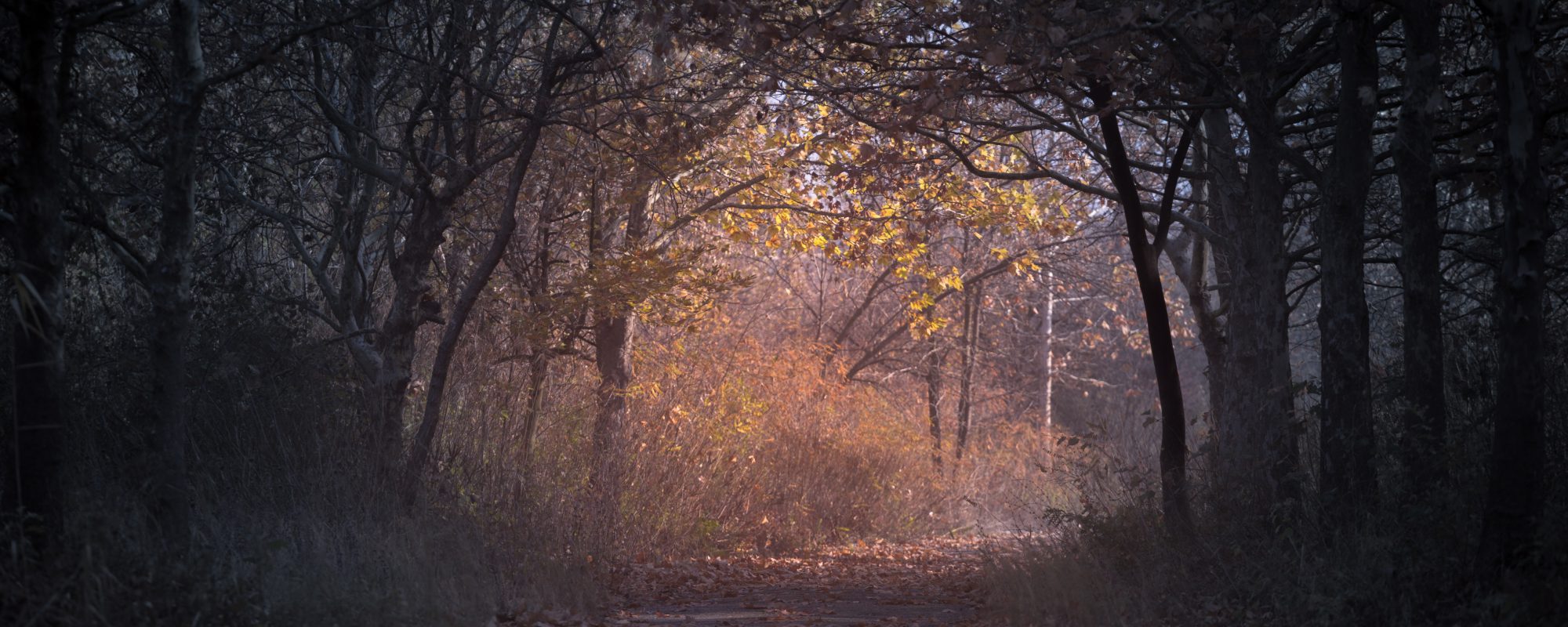
“… I feel like entrances are everywhere. And I think that the world would be an even more cruel place than it already is if the only people who are allowed to go on spiritual journeys are people who could afford a plane ticket to India,…because we all know that people find access to God through those thin places in the Universe and the thin place in their lives where they come very close to the divine, in all sorts of situations. You know in prison, in their house, in the middle of the night, in the middle of a bad marriage, in the middle of a traffic jam. It’s always there. There’s an entrance you can slide through.”
When author Elizabeth Gilbert refers to entrances, she’s writing about something more significant than doorways. What she is talking about are thresholds or portals, spiritual passageways to something new, something extraordinary, something that challenges us to consider/reconsider who we are and where our life is going. More specifically she is inviting us not to miss divinity by whatever name that is just a hair’s breath away from our awareness wherever we are.
“Entrances are everywhere,” Gilbert claims. One need not bathe in the Ganges, make a pilgrimage to Mecca, experience the breathtaking beauty of St. Peter’s Basilica, or go to any of the sacred places faith traditions value. The entrances to the awareness/experience of holiness, the “thin places” where a sense of the sacred is visceral, are omnipresent – it is we who, in our preoccupations, are absent.
Not being in geographical places considered holy can make it difficult to sense the sacred, and challenging emotional circumstances may blind us to the presence of a Presence that could bring comfort and meaning to our lives. But if it is primarily our absence that blinds us to life’s many entrances, then attentiveness to doing what we’re doing, wherever and with whomever is what can enable us to “slide through” to the sacredness that underlies our lives.
 Attuned to Soul