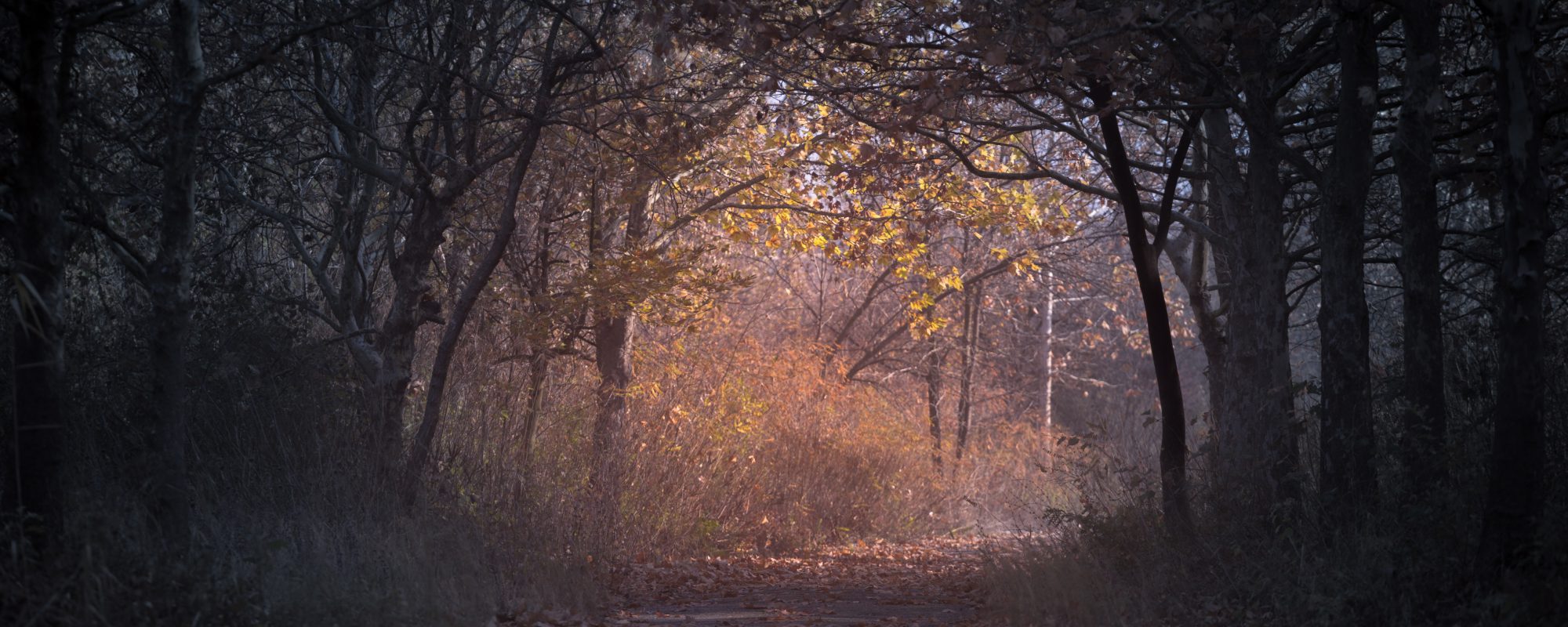
“It is late November – the end of a long journey. I am staying in a monastery for the night before returning to my home a hundred miles away.
I lived for a time in places like this when I was younger. I know the power of the long, accretion of silence, and the great, wheeling ritual of the liturgical hours and the liturgical year.
Like a man returning to the land of his birth, some part of me wishes to stay, to give myself over to this familiar spiritual embrace. But this is no longer my world. It is the streets, the people, the birds, the animals, the trees – the joys and struggles and passions of everyday life – where my life now brushes against the sacred…”
I was drawn to this quote by author Kent Nerburn because his journey is reflective of my own. Having spent the better part of forty years in religious life and many months in a Trappist monastery, I know the potency of silence, and ”the great, wheeling ritual” about which he writes. That life and those places create a visceral, spiritual ambiance where one can easily feel enveloped by the presence of the divine. But because their environment tends to reinforce the misconception that spirituality is a dimension of life that is apart from our everyday existence, religious life and monastic settings can make it difficult to realize and appreciate that all of life is sacred.
Nerburn’s spiritual evolution brought him to the awareness that the distinction between materiality and spirituality, sacred and secular, time and eternity, humanity and divinity, is a blessed blur; this felt insight fueled his desire to enter into the “struggles and passions of everyday life.” My own resonance with this more mystical understanding of life made a lifestyle of separation from the world feel too sterile, too isolated, and too removed from the often messy but always hallowed ground that is being our imperfect selves in a less-than-perfect world.
“Brushes against the sacred” so easily felt in religious/monastic settings can be difficult to feel outside of their rare air because they emerge from the normal and natural, the ordinary and unremarkable. The spiritual is hidden in plain sight, cloaked in the sensual – the sights, sounds, tastes, odors, and textures of our human experiences are as replete with the divine as is the liturgical rhythm of religious/monastic life.
 Attuned to Soul