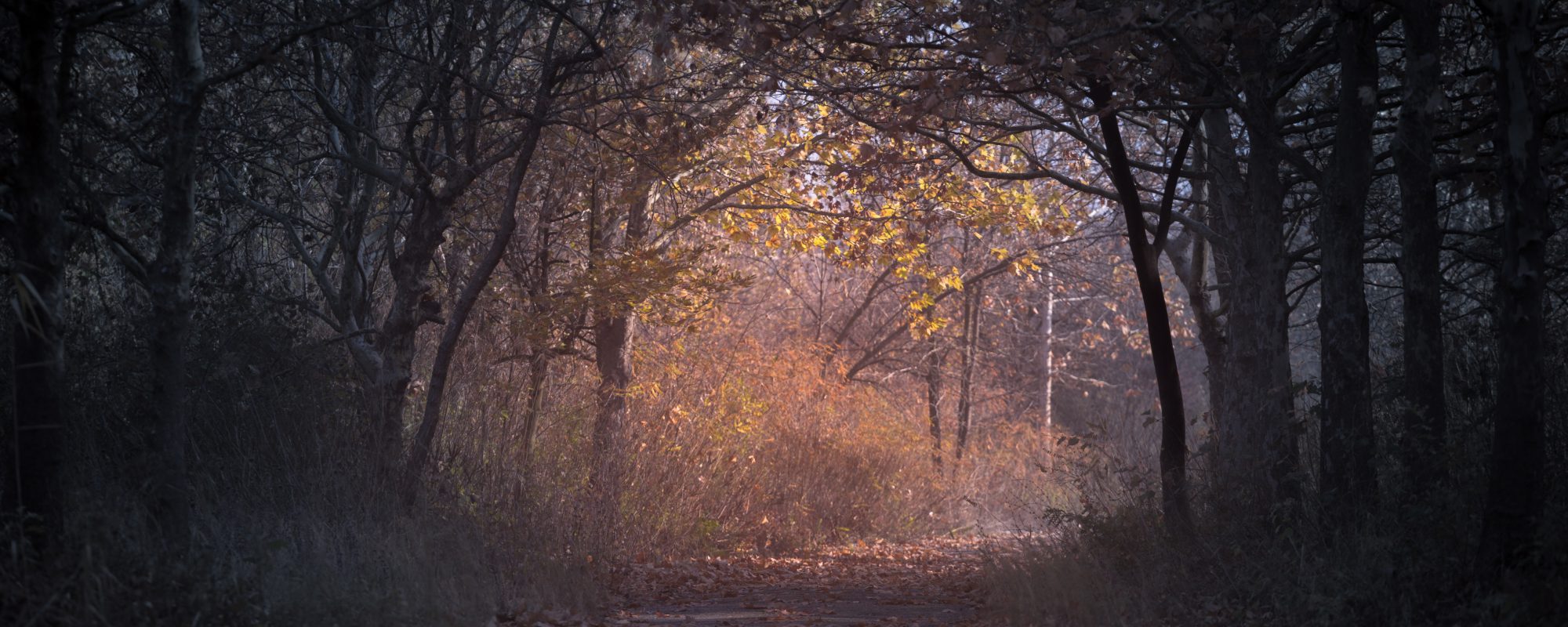
“We are matter, kindred with ocean and tree and sky. We are flesh and blood and bone. To sink into that is relief, a homecoming…”
“The ancestors of the Protestant world of my childhood had turned worship into a chin-up experience, spine straight on an uncomfortable pew, eyes ahead. And the holy figures who claimed my fascination when I first came back to taking religion seriously in my twenties all seemed, on the surface, to model a sharp boundary between physicality and spirituality. Now I see with different eyes. It’s a contained, safe physicality the mystics reject. They plunge into flesh and blood in the raw.”
Broadcaster and author Krista Tippett’s childhood experience in a mainline Christian denomination is fairly typical, as is the evolution of her thinking regarding religious matters. Many of us were both taught and modeled a faith that was decidedly rigid, that considered the material/physical world suspect, and that required compliance rather than the freedom to think with an open mind and to worship in a spirit of celebration rather than obligation.
Again, like Tippett, a number of us have journeyed away from organized religion only to return, but with a different mindset, a more down-to-earth, personal, life giving relationship with the God of our understanding. As she claims, this new take on religion isn’t so new after all; the spirituality of mystics in centuries past was often characterized not by “a contained, safe physicality,” but by one tinged at least with flesh and blood.
What a relief it can be to embrace as religious/spiritual the life of our body as well as our soul. What a sense of rightness to not have to check our humanity at the door of the church, synagogue, mosque, or mandir (Hindu temple).What a joy to realize that we don’t have to conform to a blueprint of perfection in order to be acceptable to the gods, but that we need only be faithful to an imprint of love already inscribed on our soul.
 Attuned to Soul