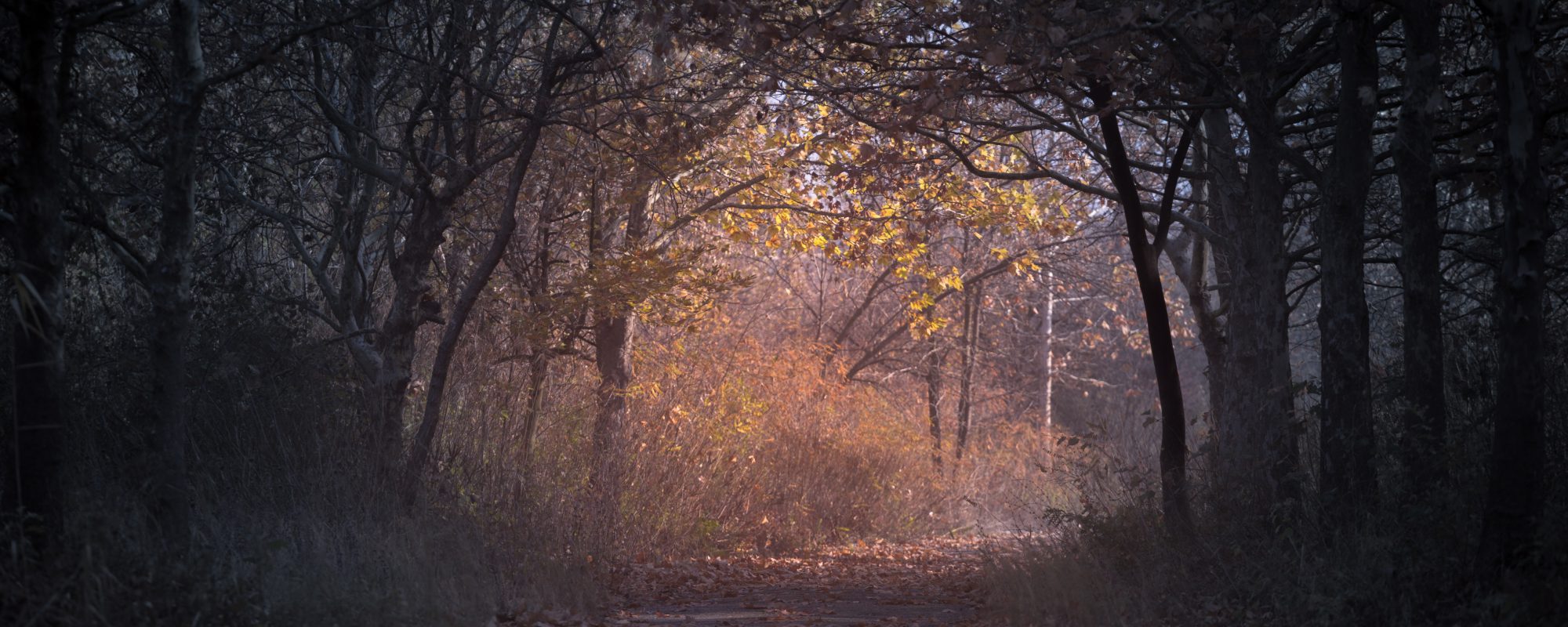
“…Rilke writes, “All we have to do is to be, but simply, earnestly, the way the earth simply is.” Rilke knows that for most of us, nothing could be more difficult. We live in our heads, we live for the future, we live for retirement. This is a challenge for those influenced by Western traditions – Jews and Christians and Muslims: all that living for a presumed messiah to come, or to return, or for a future day of judgment; all that longing for salvation when in fact paradise is right at hand… and our greatest troubles arise from not understanding that this is so.”
It was that greatest of all bards, William Shakespeare, who in his play Hamlet, posed the existential query “To be or not to be….” But it is Austrian poet and novelist Rainer Maria Rilke who posits that the notion of being is not only a matter of life and death, but of the radical acceptance of ourselves as we are, simple, as the earth is simple.
Why is it that so many of us find it difficult to simply be who we simply are? Why do we tend to look so tenaciously beyond the present to some future time when we will be other than we are, and life will be other than it is? In the book from which the above quote is taken, author Fenton Johnson claims that this tendency is influenced in part by Western religious teachings that claim a divine figure will either arrive or return at some future time, and that judgment and salvation are realities that are yet to come.
Having been inspired by philosopher Ralph Waldo Emerson, Johnson posits that in contrast to this perspective is the more incarnate notion that “a divinity resides not in a distant splendor amid gold-tinted clouds, but in the fields and trees and in the recesses of one’s heart.” To affirm this way of viewing theological truth is to open our eyes to the divine depths of everything and everyone. Both nature and human nature are imbued with a sacredness that invites us to walk reverently and bow often.
Adopting this perspective does not preclude belief in a life beyond our life on earth, but it does mean that our focus is primarily on the present. And because an omnipresent divinity resides in the fields and trees and in the recesses of our hearts, the notion that paradise is at hand means that it is not just a matter of bliss and beauty, but that it can be experienced in the down-to-earth reality of our sometimes messy lives.
 Attuned to Soul